
Nitric Acid Storage Tanks
“UK Enviro Systems, a leading Nitric Acid Storage Tanks Manufacturer, engineers premium FRP storage tanks. Our composite vessels deliver unmatched corrosion resistance and structural integrity. Chemical, water, and pharma industries rely on our durable storage solutions. We combine advanced technology with manufacturing excellence for global clients.”
Nitric Acid Storage Tanks Manufacturer
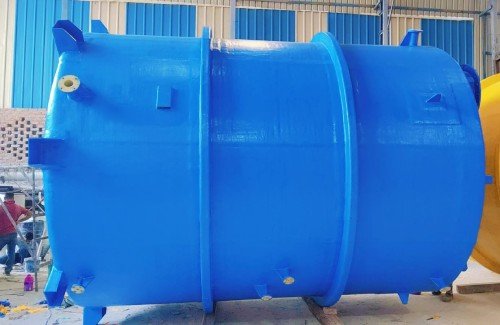
Nitric Acid Storage Tanks: Engineering Excellence for Chemical Containment
Nitric acid is a highly aggressive chemical compound. Nitric Acid Storage Tanks demand exceptional engineering and material selection. Industries across the globe depend on reliable containment solutions. At UK Enviro Systems, we understand the complexities of storing this corrosive substance. Our expertise ensures safety, longevity, and operational efficiency.
Understanding the Challenges of HNO₃ Storage
HNO₃ Storage Tanks face constant chemical attack. Nitric acid is a strong oxidizing agent. It reacts with many common materials. This reaction leads to rapid degradation and failure. The storage environment must withstand high stress. Temperature fluctuations compound the problem. Proper tank design prevents dangerous leaks. It also maintains product purity. Industries cannot compromise on storage integrity.
Material Selection: The Core of Safety
Choosing the right material is critical. Metals often fail quickly with nitric acid. Stainless steel can resist dilute acid. However, it suffers at higher concentrations. This limitation creates a need for advanced materials. Fiberglass reinforced plastic (FRP) offers superior resistance. This material excels in harsh chemical environments. FRP Tanks for Nitric Acid Storage provide unmatched durability. They resist corrosion effectively. Their structural integrity remains intact over decades.
Why FRP Outperforms Traditional Materials
FRP composites combine strength and chemical resistance. The resin matrix protects the glass fibers. This combination prevents acid penetration. Traditional metals suffer from pitting and cracking. FRP does not corrode in the same way. It offers a long service life. Maintenance costs remain low. FRP also provides excellent thermal insulation. This property reduces temperature-related stress. Best FRP Nitric Acid Storage Tanks utilise advanced resin systems. These systems are specially formulated for acid service.
Design Considerations for Nitric Acid Storage Tanks
The design of Nitric Acid Storage Tanks involves careful analysis. Engineers evaluate many factors. These include operating temperature and pressure. Acid concentration plays a significant role. Environmental conditions also matter. A comprehensive design approach ensures safety. It prevents catastrophic failures. Proper design extends the tank’s operational life.
Structural Integrity and Wall Thickness
Wall thickness is a crucial parameter. It must resist internal pressure. The thickness also compensates for corrosion. Engineers calculate the minimum required thickness. They use industry standards as guidelines. Industrial Nitric Acid Storage Tanks often have thicker walls. This extra material provides a safety margin. It accounts for unexpected stress events. The design also includes reinforcement at support points. These areas experience higher loads.
Secondary Containment Systems
Secondary containment is mandatory in many regions. It prevents environmental contamination. A dike or bund surrounds the primary tank. This structure holds any leaked acid. The containment must be chemically resistant. It should also have sufficient capacity. Nitric Acid Storage Tank Manufacturer often include this feature. They design the entire storage system. This holistic approach improves safety.
Manufacturing Excellence in FRP Tanks
The manufacturing process affects tank quality. FRP Nitric Acid Storage Tanks require precise fabrication. Skilled technicians control each step. The process begins with material preparation. Resin and glass are carefully selected. Consistency is vital for performance. Advanced manufacturing techniques ensure uniformity.
Filament Winding Technology
Filament winding is a common technique. It produces high-strength tanks. Continuous glass fibers are wound onto a mandrel. The fibers are saturated with resin. This process creates a seamless structure. The winding pattern controls strength distribution. HNO₃ Storage Tank Manufacturer uses this method extensively. It offers excellent repeatability. The resulting tanks are robust and reliable.
Hand Lay-Up for Custom Shapes
Hand lay-up accommodates complex geometries. It is suitable for smaller tanks. Technicians apply layers of glass mat and resin. Each layer is rolled to remove air. This method allows for intricate designs. It is ideal for custom FRP Tanks for Nitric Acid Storage. The process requires skilled labor. Quality control is essential at every stage.
Chemical Resistance and Performance
FRP tanks exhibit outstanding chemical resistance. The resin system determines this property. Vinyl ester and epoxy resins are common choices. They resist strong acids effectively. Fiberglass Nitric Acid Storage Tanks use these advanced resins. The tanks maintain their properties over time. Chemical attack is minimal. The tank surface remains smooth and intact.
Factors Affecting Chemical Resistance
Several factors influence chemical resistance. Temperature is a primary variable. Higher temperatures accelerate chemical attack. The acid concentration also matters. Dilute acids can be more aggressive. Stress levels affect the material’s response. FRP Nitric Acid Storage Tank Supplier considers all these factors. They recommend appropriate resin systems. This guidance ensures optimal performance.
Longevity and Maintenance
Properly designed FRP tanks last for decades. They require minimal maintenance. Routine inspections are still necessary. These inspections check for surface damage. They also verify structural integrity. Industrial Nitric Acid Storage Tanks benefit from regular monitoring. Early detection prevents major issues. The tanks remain operational for many years.
Our Product Details:
Approx. Price: ₹ 14 / Litre ( + GST applicable)
Product Details: Nitric Acid Storage Tank
| Capacity | 5 KL to 100 KL |
| Minimum Order Quantity | 1 Piece |
| Size( Length X Width X Height) | Customized |
| Material | PP/ FRP/ PP FRP |
-We have come up as one of the most dependable manufacturers and exporters of FRP Chemical Storage Tanks over a period of time.
Approx. Price: ₹ 14 / Litre ( + GST applicable)
Product Details: FRP Nitric Acid Storage Tanks
| Capacity | 5 KL to 100 KL |
| Minimum Order Quantity | 1 Piece |
| Size( Length X Width X Height) | Customized |
| Material | PP/ FRP/ PP FRP |
-We have come up as one of the most dependable manufacturers and exporters of FRP Nitric Acid Storage Tanks over a period of time.
Approx. Price: ₹ 14 / Litre ( + GST applicable)
Product Details: PP FRP Nitric Acid Storage Tanks
| Storage Capacity | 5KL to 500KL |
| Minimum Order Quantity | 1 Piece |
| Shape | Cylindrical |
| Material | PP FRP |
| Size( Length X Width X Height) | Customized |
Advantages
Very good corrosion resistance
High mechanical strength at low specific gravity
Good resistance to weathering
Approx. Price: ₹ 14 / Litre ( + GST applicable)
Product Details: 20 KL Nitric Acid Storage Tanks
| Storage Capacity | 5KL to 500KL |
| Minimum Order Quantity | 1 Piece |
| Tank Orientation | Vertical |
| Material | PP/ FRP/ PP FRP |
| Size( Length X Width X Height) | Customized |
Features Long service life Temperature resistance Accurate dimension
Approx. Price: ₹ 14 / Litre ( + GST applicable)
Product Details: 30 KL Nitric Acid Storage Tanks
| Storage Capacity | 5KL to 500KL |
| Minimum Order Quantity | 1 Piece |
| Size( Length X Width X Height) | Customized |
| Material | PP/ FRP/ PP FRP |
Features: Excellent corrosion resistance,Excellent weather resistance and Maintenance Free
Approx. Price: ₹ 14 / Litre ( + GST applicable)
Product Details: 50 KL Nitric Acid Storage Tank
| Storage Capacity | 5KL to 500KL |
| Minimum Order Quantity | 1 Piece |
| Material | PP/ FRP/ PP FRP |
| Size( Length X Width X Height) | Customized |
Features: Application specific design Excellent performance Dimensional accuracy
Approx. Price: ₹ 14 / Litre ( + GST applicable)
Product Details: 100 KL Nitric Acid Storage Tanks
| Storage Capacity | 5KL to 500KL |
| Minimum Order Quantity | 1 Piece |
| Material | PP/ FRP/ PP FRP |
| Size( Length X Width X Height) | Customized |
Features: Application specific design Excellent performance Dimensional accuracy
Approx. Price: ₹ 14 / Litre ( + GST applicable)
Product Details: 150 KL Nitric Acid Storage Tank
| Storage Capacity | 5KL to 500KL |
| Minimum Order Quantity | 1 Piece |
| Material | PP/ FRP/ PP FRP |
| Size( Length X Width X Height) | Customized |
Features: Application specific design Excellent performance Dimensional accuracy
Approx. Price: ₹ 14 / Litre ( + GST applicable)
Product Details: 200 KL Nitric Acid Storage Tanks
| Storage Capacity | 5KL to 500KL |
| Minimum Order Quantity | 1 Piece |
| Material | PP/ FRP/ PP FRP |
| Size( Length X Width X Height) | Customized |
Features: Application specific design Excellent performance Dimensional accuracy
Approx. Price: ₹ 14 / Litre ( + GST applicable)
Product Details: PP Nitric Acid Storage Tanks
| Storage Capacity | 5KL to 500KL |
| Minimum Order Quantity | 1 Piece |
| Material | PP/ FRP/ PP FRP |
| Size( Length X Width X Height) | Customized |
Features: Application specific design Excellent performance Dimensional accuracy
Approx. Price: ₹ 14 / Litre ( + GST applicable)
Product Details: Fiberglass Nitric Acid Storage Tanks
| Storage Capacity | 5KL to 500KL |
| Minimum Order Quantity | 1 Piece |
| Material | PP/ FRP/ PP FRP |
| Size( Length X Width X Height) | Customized |
Features: Application specific design Excellent performance Dimensional accuracy
Safety Features and Compliance
Safety is paramount in acid storage. Nitric Acid Storage Tanks incorporate multiple safety features. These include pressure relief vents. They also include emergency shut-off systems. Proper grounding prevents static discharge. These features protect personnel and equipment. Compliance with regulations is mandatory.
Regulatory Standards and Certifications
Tanks must meet strict standards. These standards vary by region. Common references include ASTM and ASME. Certification ensures quality and safety. HNO₃ Storage Tanks often require third-party inspection. This verification provides confidence. It demonstrates commitment to safety. Manufacturers must stay current with regulations. They must also document their compliance.
Leak Detection Systems
Leak detection is a critical safety measure. Various technologies are available. These include acoustic sensors. They also include liquid detection cables. Early leak detection prevents environmental damage. Best FRP Nitric Acid Storage Tanks incorporate these systems. They provide continuous monitoring. Operators receive immediate alerts. This response capability minimizes risks.
Installation and Handling
Proper installation is essential for performance. Nitric Acid Storage Tank Manufacturer provides installation guidelines. These guidelines cover foundation requirements. They also address piping connections. Skilled personnel must perform the installation. The foundation must be level and stable. It should also support the tank’s weight.
Foundation Design
The foundation supports the entire structure. It must distribute the load evenly. Soil conditions affect foundation design. Engineers analyze the site thoroughly. They account for potential settlement. The foundation also provides anchorage. This prevents movement during operations. Industrial Nitric Acid Storage Tanks require robust foundations. This ensures long-term stability.
Piping and Valves
Piping systems must be compatible with nitric acid. Proper material selection is crucial. Pipes often use the same FRP material. Valves require special alloys or plastics. The system must allow for thermal expansion. FRP Nitric Acid Storage Tanks include carefully designed piping. This integration prevents leaks. It also facilitates safe operation.
Operational Best Practices
Operating HNO₃ Storage Tanks requires specific procedures. Personnel must receive thorough training. They must understand the chemical hazards. Operating manuals guide daily activities. These manuals cover start-up and shut-down. They also address emergency situations. Following these procedures ensures safety.
Temperature Control
Temperature control is essential for nitric acid. High temperatures accelerate corrosion. They also increase pressure. FRP Tanks for Nitric Acid Storage often include cooling systems. These systems maintain optimal temperatures. They prevent rapid degradation. Temperature monitoring is continuous. Alarms alert operators to deviations.
Filling and Emptying Procedures
Filling and emptying must be controlled. Rapid filling can cause stress. It may also generate static electricity. Fiberglass Nitric Acid Storage Tanks require slow filling rates. This minimizes pressure surges. Emptying procedures must also be gradual. Complete drainage prevents residue buildup. These practices extend tank life.
Environmental Considerations
Environmental protection is a key concern. Nitric Acid Storage Tanks must prevent spills. Secondary containment is the first line of defense. Spill response plans are also necessary. These plans outline cleanup procedures. They address soil and water contamination. Environmental compliance is non-negotiable.
Spill Prevention and Response
Spill prevention starts with design. It continues with operational procedures. Regular inspections identify potential issues. Industrial Nitric Acid Storage Tanks require rigorous inspection schedules. These schedules include visual checks. They also include non-destructive testing. Prompt repairs prevent minor issues from escalating. Spill response teams must be ready. They must have the right equipment.
Waste Management
Waste acid requires proper management. It must be neutralized before disposal. This process involves careful handling. HNO₃ Storage Tank Manufacturer often provides guidance. They recommend appropriate neutralization agents. Disposal must comply with environmental laws. Responsible management protects the ecosystem.
Customization and Application
Different industries have unique needs. Best FRP Nitric Acid Storage Tanks can be customized. Manufacturers offer various sizes and shapes. They also provide different resin systems. This customization meets specific requirements. Each application has distinct challenges.
Chemical Processing Industry
The chemical industry uses vast quantities of nitric acid. It serves as a key intermediate. It is used in fertilizer production. It also helps manufacture explosives. Industrial Nitric Acid Storage Tanks are essential in these processes. They ensure a steady supply. They also maintain product quality.
Metal Processing and Pickling
Metal processing involves acid cleaning. This process is called pickling. Nitric acid removes surface impurities. It prepares metals for further processing. FRP Nitric Acid Storage Tanks serve this application well. They resist the corrosive effects of the acid. Their durability ensures continuous operation.
Electronics and Semiconductor Manufacturing
Electronics manufacturing uses high-purity acid. Nitric acid is used in etching processes. It must be stored in contamination-free tanks. Fiberglass Nitric Acid Storage Tanks meet these stringent requirements. They do not leach contaminants. This purity is critical for semiconductor production.
Innovations in FRP Technology
Technology continues to advance. FRP Nitric Acid Storage Tank Supplier invest in research. New resin systems offer better performance. Improved manufacturing methods enhance quality. These innovations benefit end-users. They also extend the range of applications.
Advanced Resin Systems
New resins provide superior chemical resistance. They also handle higher temperatures. These systems reduce maintenance needs. HNO₃ Storage Tanks benefit from these advancements. The tanks become even more reliable. Operators appreciate the extended lifespan.
Sensor Integration and IoT
Modern tanks integrate smart sensors. These sensors monitor tank conditions. They track temperature and pressure. They also detect leaks early. Industrial Nitric Acid Storage Tanks with IoT capabilities provide data. This data informs maintenance schedules. It also improves operational decisions.
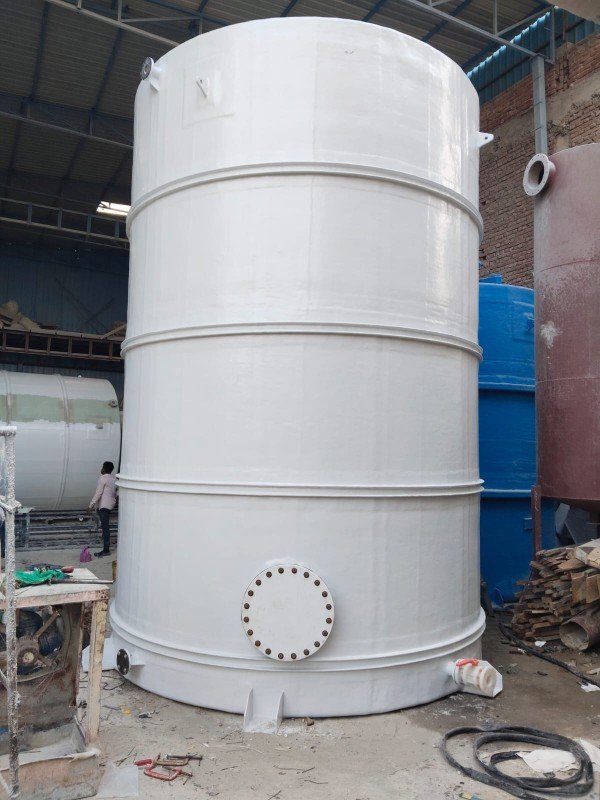
Choosing the Right Manufacturer
Selecting a manufacturer is important. Nitric Acid Storage Tank Manufacturer must have a proven track record. They should have experience with acid storage. Quality control is essential. They must use premium materials. Customer support is also valuable.
Evaluating Manufacturer Capabilities
Capabilities include design and fabrication. They also include testing and certification. FRP Nitric Acid Storage Tank Supplier should demonstrate expertise. They must understand industry standards. They should also offer customization. A comprehensive evaluation ensures a good fit.
Long-Term Partnership Benefits
A reliable manufacturer becomes a partner. They offer ongoing support. They provide technical guidance. They also supply spare parts. Best FRP Nitric Acid Storage Tanks come with warranties. These warranties provide peace of mind. A long-term partnership ensures continuity.
Choose UK Enviro Systems as Your Nitric Acid Storage Tank Manufacturer Partner
Nitric Acid Storage Tanks are vital for many industries. They require careful material selection and design. FRP tanks offer the best combination of properties. They resist corrosion effectively. They provide long service life. Safety features protect personnel and the environment. Choosing a reputable Nitric Acid Storage Tank Manufacturer is essential. Their expertise ensures reliable containment. UK Enviro Systems specializes in these critical systems. Our commitment to quality is unwavering. We deliver industrial excellence worldwide. Contact us for your storage needs.
FAQ: Everything You Need to Know About Nitric Acid Storage Tanks
Vinyl ester resins offer superior resistance to concentrated nitric acid. They prevent osmotic blistering and maintain structural integrity under high oxidative stress, ensuring the tank's long-term reliability.
Elevated temperatures accelerate chemical attack on the resin matrix. Each 10°C rise can double the corrosion rate. Therefore, tanks must include cooling systems or use heat-resistant resins for hot acid storage.
Yes, FRP tanks resist vapor-phase corrosion effectively. However, the headspace requires a specialized resin-rich inner liner. This liner provides an extra barrier against condensing acidic vapors and prevents surface degradation.
Ultrasonic thickness testing and acoustic emission monitoring are standard methods. These techniques detect wall thinning and micro-cracks without damaging the tank, allowing operators to schedule preventive maintenance accurately.
Yes, but coatings must be chemically neutral. Intumescent fireproofing paints adhere well to FRP surfaces. However, they must not contain solvents that degrade the underlying resin or compromise the tank's corrosion barrier.
