
Phosphoric Acid Storage Tanks
“UK Enviro Systems, a leading Phosphoric Acid Storage Tanks Manufacturer, engineers premium FRP storage tanks. Our composite vessels deliver unmatched corrosion resistance and structural integrity. Chemical, water, and pharma industries rely on our durable storage solutions. We combine advanced technology with manufacturing excellence for global clients.”
Phosphoric Acid Storage Tanks Manufacturer
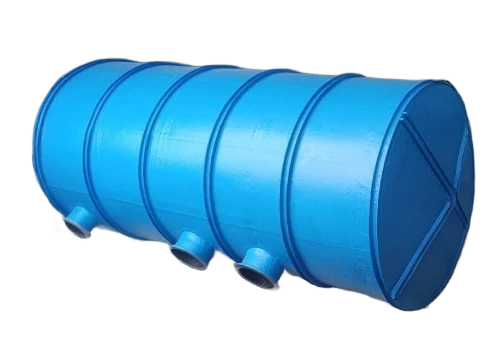
Phosphoric Acid Storage Tanks: Engineering Excellence for Industrial Acid Containment
The industrial sector faces a formidable challenge in storing aggressive chemicals. Phosphoric acid presents unique storage difficulties due to its corrosive nature and varying concentration levels. Phosphoric Acid Storage Tanks require specialised engineering solutions. These tanks must withstand harsh chemical environments. They must maintain structural integrity over decades of service. At UK Enviro Systems, we understand these demanding requirements. Our expertise in FRP technology delivers superior storage solutions for phosphoric acid applications worldwide.
Understanding the Challenges of Phosphoric Acid Storage
Phosphoric acid exists in multiple concentrations and grades. Each variation presents distinct storage challenges. Industrial phosphoric acid typically ranges from 54% to 75% concentration. This acid attacks many conventional construction materials. Carbon steel suffers rapid corrosion when exposed to phosphoric acid. Stainless steel provides limited resistance against this aggressive chemical. These materials require frequent replacement and maintenance. They create significant operational costs for industrial facilities.
The storage temperature also affects material selection. Higher temperatures accelerate corrosion rates. They demand more robust containment solutions. Additionally, impurities in the acid affect corrosion behaviour. Fluoride compounds often exist in wet-process phosphoric acid. These impurities increase the acid’s aggressiveness significantly. They create pitting and stress corrosion cracking in metals. This complex chemical environment demands advanced storage technology.
The Superior Solution: FRP Phosphoric Acid Storage Tanks
FRP phosphoric acid storage tanks offer exceptional corrosion resistance. These tanks combine polymer matrices with reinforcing fibres. The resulting composite material outperforms traditional storage options. FRP technology provides remarkable chemical resistance. It withstands prolonged exposure to phosphoric acid. It maintains its mechanical properties throughout its service life.
Material Composition and Benefits
The polymer matrix in FRP acid storage tanks typically uses vinyl ester resins. These resins exhibit outstanding resistance to phosphoric acid. They form a protective barrier against chemical attack. The reinforcing fibres provide mechanical strength. E-glass fibres offer excellent performance in acidic environments. Carbon fibres may be used for extreme conditions.
The composite structure creates inherent corrosion resistance. It eliminates the need for protective coatings. It does not suffer from galvanic corrosion. This reduces maintenance requirements dramatically. Industrial facilities benefit from extended operational periods. They avoid costly shutdowns for tank repairs.
Design Considerations for Phosphoric Acid
FRP chemical storage tanks require careful design consideration. The engineering team must evaluate operating conditions thoroughly. Temperature variations affect material selection significantly. Concentration levels determine the appropriate resin system. The design must accommodate thermal expansion and contraction.
The tank geometry influences its performance. Vertical cylindrical tanks offer structural efficiency. Horizontal tanks provide space-saving advantages. The design must consider the specific site constraints. Foundation requirements depend on tank size and contents. These factors influence the overall design approach.
Advanced Manufacturing Processes for Acid Resistant Storage Tanks
Modern manufacturing techniques produce superior acid resistant storage tanks. Filament winding creates exceptional strength characteristics. This process places continuous fibres in precise patterns. The orientation of fibres provides optimal mechanical properties. The process ensures consistent quality across the entire tank structure.
Hand lay-up manufacturing offers flexibility for complex designs. This technique allows for custom configurations. It enables the incorporation of specialised fittings. The process accommodates varying thickness requirements. It suits the production of smaller and medium-sized tanks.
Quality Assurance and Testing
Rigorous testing ensures tank reliability. Pressure testing verifies structural integrity. Vacuum testing confirms the absence of leaks. Non-destructive testing methods identify potential defects. These procedures guarantee product quality.
The manufacturing facility must maintain strict quality controls. Raw material testing ensures consistent quality. Process monitoring maintains manufacturing standards. Final inspection confirms product compliance. These measures ensure tank longevity and performance.
Corrosion Resistance Mechanisms
Corrosion resistant FRP storage tanks employ multiple protective mechanisms. The resin matrix provides the primary chemical barrier. This barrier prevents acid penetration to the reinforcing fibres. The surface layer offers additional protection.
The tank’s thickness provides secondary protection. It allows for some degradation without compromising performance. The design incorporates corrosion allowances. These allowances ensure long-term structural integrity. The tanks maintain their strength over decades.
Chemical Compatibility Consideration
Different phosphoric acid types require specific considerations. Wet-process acid contains various impurities. These impurities affect corrosion behaviour. Purified acid presents different challenges. The resin selection must account for these variations.
Temperature influences chemical compatibility significantly. Higher temperatures increase corrosion rates. The design must account for temperature fluctuations. The operating temperature range determines resin selection. These factors influence the overall tank design.
Structural Design and Engineering
Industrial acid storage tanks must withstand multiple loads. Internal pressure from hydrostatic forces dominates. Wind loads affect external tanks significantly. Seismic forces require careful consideration. The structural design accommodates all these forces.
The tank bottom requires special attention. This area experiences the highest hydrostatic pressure. It must resist potential chemical accumulation. The design incorporates adequate thickness. It ensures long-term bottom integrity.
Foundation and Support Systems
Proper foundation design ensures tank stability. The foundation must support the full tank weight. It must resist potential settling issues. The design considers soil conditions carefully.
Support systems distribute loads effectively. They provide access for inspection and maintenance. They accommodate thermal expansion movements. These systems enhance operational reliability.
Safety Considerations for FRP Acid Storage Tanks
Safety remains paramount in chemical storage applications. Acid resistant storage tanks incorporate multiple safety features. Overfill protection prevents pressure build-up. Emergency venting systems handle pressure surges. Secondary containment systems protect against catastrophic failures.
The tank design must provide accessibility. This allows for regular inspections. It enables proper maintenance procedures. It ensures safe operating conditions.
Regulatory Compliance and Standards
Industrial tanks must comply with relevant standards. ASTM standards govern FRP tank construction. BS 4994 provides specific guidance for design. The manufacturer must ensure full compliance. This ensures the tanks meet safety requirements.
Inspection protocols maintain ongoing compliance. Regular testing verifies continued performance. Documentation proves adherence to standards. This protects the facility operators.
Our Product Details:
Approx. Price: ₹ 14 / Litre ( + GST applicable)
Product Details: Phosphoric Acid Storage Tanks
| Capacity | 5 KL to 100 KL |
| Minimum Order Quantity | 1 Piece |
| Size( Length X Width X Height) | Customized |
| Material | PP/ FRP/ PP FRP |
-We have come up as one of the most dependable manufacturers and exporters of FRP Phosphoric Acid Storage Tanks over a period of time.
Approx. Price: ₹ 14 / Litre ( + GST applicable)
Product Details: FRP Phosphoric Acid Storage Tanks
| Capacity | 5 KL to 100 KL |
| Minimum Order Quantity | 1 Piece |
| Size( Length X Width X Height) | Customized |
| Material | PP/ FRP/ PP FRP |
-We have come up as one of the most dependable manufacturers and exporters of FRP Nitric Acid Storage Tanks over a period of time.
Approx. Price: ₹ 14 / Litre ( + GST applicable)
Product Details: 20 KL Phosphoric Acid Storage Tanks
| Storage Capacity | 5KL to 500KL |
| Minimum Order Quantity | 1 Piece |
| Tank Orientation | Vertical |
| Material | PP/ FRP/ PP FRP |
| Size( Length X Width X Height) | Customized |
Features Long service life Temperature resistance Accurate dimension
Approx. Price: ₹ 14 / Litre ( + GST applicable)
Product Details: 30 KL Phosphoric Acid Storage Tanks
| Storage Capacity | 5KL to 500KL |
| Minimum Order Quantity | 1 Piece |
| Size( Length X Width X Height) | Customized |
| Material | PP/ FRP/ PP FRP |
Features: Excellent corrosion resistance,Excellent weather resistance and Maintenance Free
Approx. Price: ₹ 14 / Litre ( + GST applicable)
Product Details: 50 KL Phosphoric Acid Storage Tanks
| Storage Capacity | 5KL to 500KL |
| Minimum Order Quantity | 1 Piece |
| Material | PP/ FRP/ PP FRP |
| Size( Length X Width X Height) | Customized |
Features: Application specific design Excellent performance Dimensional accuracy
Approx. Price: ₹ 14 / Litre ( + GST applicable)
Product Details: 100 KL Phosphoric Acid Storage Tanks
| Storage Capacity | 5KL to 500KL |
| Minimum Order Quantity | 1 Piece |
| Material | PP/ FRP/ PP FRP |
| Size( Length X Width X Height) | Customized |
Features: Application specific design Excellent performance Dimensional accuracy
Approx. Price: ₹ 14 / Litre ( + GST applicable)
Product Details: 150 KL Phosphoric Acid Storage Tanks
| Storage Capacity | 5KL to 500KL |
| Minimum Order Quantity | 1 Piece |
| Material | PP/ FRP/ PP FRP |
| Size( Length X Width X Height) | Customized |
Features: Application specific design Excellent performance Dimensional accuracy
Approx. Price: ₹ 14 / Litre ( + GST applicable)
Product Details: 200 KL Phosphoric Acid Storage Tanks
| Storage Capacity | 5KL to 500KL |
| Minimum Order Quantity | 1 Piece |
| Material | PP/ FRP/ PP FRP |
| Size( Length X Width X Height) | Customized |
Features: Application specific design Excellent performance Dimensional accuracy
Approx. Price: ₹ 14 / Litre ( + GST applicable)
Product Details: PP FRP Phosphoric Acid Storage Tanks
| Storage Capacity | 5KL to 500KL |
| Minimum Order Quantity | 1 Piece |
| Material | PP/ FRP/ PP FRP |
| Size( Length X Width X Height) | Customized |
Features: Application specific design Excellent performance Dimensional accuracy
Approx. Price: ₹ 14 / Litre ( + GST applicable)
Product Details: Fiberglass Phosphoric Acid Storage Tanks
| Storage Capacity | 5KL to 500KL |
| Minimum Order Quantity | 1 Piece |
| Material | PP/ FRP/ PP FRP |
| Size( Length X Width X Height) | Customized |
Features: Application specific design Excellent performance Dimensional accuracy
Installation and Site Considerations
Proper installation ensures optimum tank performance. Site preparation must accommodate the specific tank design. The foundation requires adequate drainage. This prevents water accumulation beneath the tank.
The installation process must follow manufacturer guidelines. This ensures proper structural integrity. It prevents installation-related issues. It guarantees long-term service reliability.
Environmental Protection Measures
Secondary containment systems provide environmental protection. These systems capture any potential leaks. They prevent chemical contamination of soil. They protect groundwater resources.
The tank design minimises environmental risks. Proper venting reduces emissions. Leak detection systems provide early warning. These measures protect the surrounding environment.
Maintenance and Long-term Performance
Industrial acid storage tanks require regular maintenance. Inspection schedules should follow manufacturer recommendations. Visual inspections identify surface damage. Non-destructive testing identifies deeper issues.
Regular maintenance extends tank service life. Cleaning procedures remove contamination accumulation. Minor repairs restore tank integrity. These measures reduce lifecycle costs.
Repair and Rehabilitation Options
FRP tanks allow for effective repairs. Damaged areas can be restored effectively. Compatible materials ensure repair integrity. Proper surface preparation ensures adhesion.
Rehabilitation extends tank service life. Additional layers restore thickness. Resin applications protect surface integrity. These options avoid complete tank replacement.
Economic Advantages of FRP Technology
FRP phosphoric acid storage tanks offer economic benefits. They feature longer service lives than alternatives. Their corrosion resistance eliminates frequent replacement. Maintenance costs remain low throughout service life. These factors reduce lifecycle costs substantially.
The lightweight nature simplifies installation. This reduces foundation requirements. It lowers transportation costs. It facilitates installation in difficult locations. These advantages improve project economics.
Lifecycle Cost Analysis
Initial capital costs represent only part of the equation. Maintenance costs accumulate over service life. Replacement costs must be considered. Operational factors influence total expenses. FRP tanks deliver superior lifecycle value.
Energy efficiency reduces operational costs. The thermal properties minimise heat transfer. This reduces heating or cooling requirements. It lowers energy consumption significantly. It supports sustainable operations.
Industry Applications and Success Stories
FRP phosphoric acid storage tanks serve various industries. Fertiliser production represents a major application. This industry handles tremendous acid volumes. The tanks deliver reliable performance. They support continuous production operations.
The chemical processing industry relies on these tanks. They provide intermediate storage solutions. They buffer production variations effectively. They ensure process continuity.
Customisation and Special Requirements
Every application presents unique requirements. Custom FRP acid storage tanks address specific needs. The design incorporates client preferences. It accommodates site-specific constraints. It meets operational requirements exactly.
Fittings and accessories match process requirements. Flange connections enable easy pipe attachment. Manholes provide access for cleaning and inspection. Ladders and platforms provide service access. These features enhance operational convenience.
Future Developments in FRP Storage Technology
Innovation continues in FRP technology. Advanced resin systems enhance chemical resistance. New fibre types improve mechanical properties. Manufacturing automation improves quality consistency. These developments deliver improved tank performance.
Smart monitoring systems enhance operational control. Sensors monitor tank conditions continuously. They provide real-time data to operators. They alert maintenance teams to issues. These systems improve safety and reliability.
Sustainability and Environmental Performance
FRP technology supports environmental sustainability. Long service life reduces resource consumption. Recyclability of materials continues improving. The manufacturing process reduces energy usage. These factors support environmental stewardship.
Choosing Your Phosphoric Acid Storage Tank Manufacturer
When selecting a phosphoric acid storage tank manufacturer, consider their expertise. Examine their manufacturing capabilities. Review their quality assurance procedures. Assess their technical support offerings. These factors ensure product quality.
Technical Support and After-Sales Service
Comprehensive technical support enhances tank performance. Professional guidance aids decision-making. Installation support ensures proper setup. Maintenance guidance extends service life. This support ensures long-term satisfaction.
The manufacturer must provide detailed documentation. This includes installation instructions. It covers maintenance schedules. It specifies repair procedures. Clear documentation ensures proper operations.
Choose UK Enviro Systems as Your Partner
Phosphoric acid storage tanks represent a critical investment. This investment protects your facility’s operations. It ensures chemical containment safety. FRP technology delivers superior performance. The tanks provide exceptional service life. They offer outstanding corrosion resistance. They reduce maintenance requirements significantly. They deliver substantial economic benefits.
UK Enviro Systems provides comprehensive FRP storage solutions. Our phosphoric acid storage tank expertise ensures reliable operation. Our quality products support your industrial success. Contact us to discuss your requirements.
FAQ: Everything You Need to Know About Phosphoric Acid Storage Tanks
Vinyl ester resins provide the highest resistance to phosphoric acid. They maintain mechanical strength even at elevated temperatures and high acid concentrations.
Higher temperatures accelerate acid attack. Engineers must increase wall thickness and select specialised resin grades to accommodate thermal expansion and prevent premature degradation.
Yes. Wet-process acid contains impurities like fluorides, which increase corrosion. Our design uses barrier layers and specific resin blends to handle both acid grades safely.
Visual checks, ultrasonic thickness testing, and acoustic emission monitoring are standard. These methods detect hidden delamination or wall thinning without interrupting operations.
With proper maintenance and correct resin selection, these tanks exceed 25 years of active service. Their corrosion resistance eliminates the frequent replacement cycles seen with metals.
