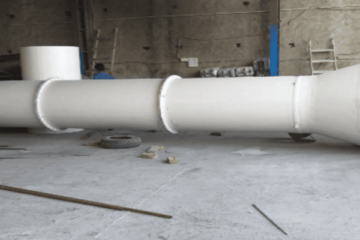
Polypropylene Tank Manufacturers
The efficient storage of dry bulk materials presents a significant challenge across countless industries. These powdered or granular substances demand solutions that ensure integrity, prevent contamination, and optimize operations. Consequently, selecting the right storage vessel is a critical decision for plant managers. Polypropylene Tank Manufacturers have risen to meet this demand with innovative and durable solutions. These experts design tanks specifically for handling a vast array of dry bulk products. Their work directly supports smoother, safer, and more cost-effective industrial processes every single day.
Understanding Dry Bulk Storage Demands
Dry bulk materials encompass a surprisingly diverse range of products. Common examples include food ingredients like flour and sugar. Industrial sectors use plastic resins, powdered chemicals, and mineral compounds. Furthermore, pharmaceuticals rely on precise storage of active ingredients and excipients. Each material has unique properties affecting its storage needs. Key factors include particle size, flow characteristics, and moisture sensitivity. Crucially, many of these substances can be hygroscopic or mildly corrosive. Therefore, the storage tank material must address all these concerns simultaneously.
Why Polypropylene Tanks are the Superior Choice
Polypropylene (PP) stands out as an exceptional material for dry bulk storage. Its inherent properties offer distinct advantages over traditional options like steel or fiberglass. Moreover, PP provides a compelling balance of performance, longevity, and value. This makes it a preferred recommendation from leading Polypropylene Tank Manufacturers.
Unmatched Chemical Resistance for Product Purity
Polypropylene possesses excellent inertness against a wide spectrum of substances. It resists attack from many acids, alkalis, and solvents. This corrosion resistance is paramount for maintaining product purity. For instance, storing certain food-grade acids or mineral powders in metal can cause contamination. Conversely, PP ensures the stored material remains completely unaltered. This characteristic is why PP often serves as the material for specialized Acid Storage Tanks and Pickling Tanks in metal treatment lines.
Moisture Barrier and Hygienic Properties
Many dry bulk materials are highly sensitive to moisture absorption. Exposure can cause caking, clumping, or even chemical degradation. Polypropylene offers a non-porous, impermeable barrier against environmental humidity. This protection is essential for maintaining consistent product quality and flowability. Additionally, PP surfaces are smooth and easy to clean. They resist microbial growth and do not promote contamination. Consequently, industries like food and pharmaceuticals favor PP for its hygienic benefits.
Lightweight Construction and Design Flexibility
PP tanks are significantly lighter than their steel counterparts. This lightweight nature simplifies transportation and installation dramatically. It also reduces the need for extensive structural support. Furthermore, Polypropylene Tank Manufacturers utilize advanced welding techniques. These methods allow for incredible design flexibility. Manufacturers can create custom geometries, hopper bottoms, and unique outlet configurations. This customization ensures optimal flow and complete material discharge for any specific application.
Cost-Effectiveness and Durability
Choosing polypropylene storage offers outstanding long-term value. The initial investment is often very competitive. More importantly, PP tanks require minimal maintenance over their lifespan. They do not rust, corrode, or require protective linings. Their durability in harsh environments prevents costly downtime and replacements. Therefore, the total cost of ownership is remarkably low, delivering an excellent return on investment.
Key Industrial Applications of PP Dry Bulk Tanks
The versatility of polypropylene tanks makes them indispensable across numerous sectors. Their ability to safeguard materials drives their adoption in these critical fields.
Chemical Processing and Manufacturing
This industry is a primary user of bulk PP storage. Plants store plastic resins, compound additives, and powdered raw materials in them. Chemical Storage Tanks made from PP safely hold intermediate products. They also handle finished goods before packaging or shipment. Their resistance ensures no interaction with sensitive or corrosive powders.
Food and Beverage Production
Hygiene and purity are non-negotiable in food processing. PP tanks store ingredients like starches, sugars, cocoa, and powdered flavors. Their sanitary design and easy-clean surfaces meet strict regulatory standards. They prevent contamination and protect against moisture, preserving ingredient quality from receipt to production.
Water Treatment and Agriculture
Water treatment facilities use PP tanks to store dry flocculants and pH-adjusting powders. The agricultural industry relies on them for fertilizer and seed storage. The material’s corrosion resistance is vital here. It withstands the often-corrosive nature of these compounds over long periods.
Pharmaceutical and Biotechnology
This sector demands the highest levels of purity and contamination control. PP tanks provide a compliant solution for storing active pharmaceutical ingredients (APIs). They also hold excipients and other process powders. The smooth, inert surface allows for thorough cleaning and validation, which is essential for GMP (Good Manufacturing Practice) compliance.
Specialized Solutions: Acid and Pickling Tanks
Within the broader category of dry storage, some applications are particularly demanding. Storing strong acids and pickling compounds requires specialized tank design. Polypropylene Tank Manufacturers excel in providing these critical solutions.
The Role of HCL Storage Tanks
Hydrochloric acid, even in fume or solid forms, is extremely corrosive. Metal tanks fail quickly under such aggressive conditions. Specially fabricated HCL Storage Tanks from polypropylene offer a safe and durable alternative. Manufacturers use high-grade PP and reinforced construction. This ensures total containment and safety for personnel and the facility.
Importance of Pickling Tanks in Metal Fabrication
The metal finishing process uses acidic solutions for cleaning and treating surfaces. Pickling Tanks hold these powerful acidic or abrasive mixtures. Polypropylene’s resistance to this harsh chemical environment is perfect. It maintains structural integrity where other materials would rapidly deteriorate. This reliability is crucial for continuous production cycles.
PP Tanks vs. Alternative Storage Materials
Understanding why PP succeeds requires a direct comparison with other common materials.
PP Tanks vs. Steel Silos
Carbon steel is strong but prone to rust and corrosion. It often requires internal linings that can fail. Stainless steel resists corrosion but comes at a much higher cost. Polypropylene provides corrosion resistance inherently. It is also more cost-effective and equally suitable for many dry bulk applications.
PP Tanks vs. Fiberglass (FRP) Tanks
Fiberglass Reinforced Plastic (FRP) is another excellent corrosion-resistant material. FRP Storage Tank Manufacturers produce robust tanks for many liquids and some dry goods. However, for dry bulk, PP often has advantages in abrasion resistance and design flexibility for complex discharge shapes. The choice between PP FRP Tanks often depends on specific chemical exposure and structural requirements.
Selecting the Right Polypropylene Tank Manufacturer
The quality of the final installation hinges on the manufacturer’s expertise. Partnering with a reputable Polypropylene Tank Manufacturer is the most critical step.
Engineering Expertise and Customization
Top manufacturers offer more than just standard tanks. They provide engineering support to analyze your material’s flow properties. They then recommend optimal cone angles, outlet sizes, and discharger types. This collaborative design process prevents costly flow problems like bridging or rat-holing.
Commitment to Quality and Safety Standards
Reputable manufacturers adhere to strict fabrication standards. They use certified raw materials and qualified welding procedures. Their tanks often include features like material level indicators, pressure relief, and safe access platforms. This commitment ensures a safe, reliable, and long-lasting storage asset for your plant.
Comprehensive Service and Support
The relationship should not end at delivery. Leading providers offer complete installation supervision and start-up support. They also supply compatible accessories like rotary valves, bag filters, and discharge aids. Therefore, choosing a manufacturer with full-service capabilities guarantees optimal system performance.
Conclusion: The Smart Investment for Modern Industry
In conclusion, polypropylene tanks represent a smart, forward-thinking investment for dry bulk storage. Their unique combination of chemical resistance, hygiene, and design flexibility is unmatched. Industries from food to chemicals rely on them to protect valuable materials and ensure seamless production.
Partnering with experienced Polypropylene Tank Manufacturers unlocks these benefits fully. They translate your operational challenges into effective, reliable storage solutions. By choosing PP, you invest in product integrity, operational efficiency, and long-term cost savings. Ultimately, this strengthens your bottom line and competitive edge in the global market.