
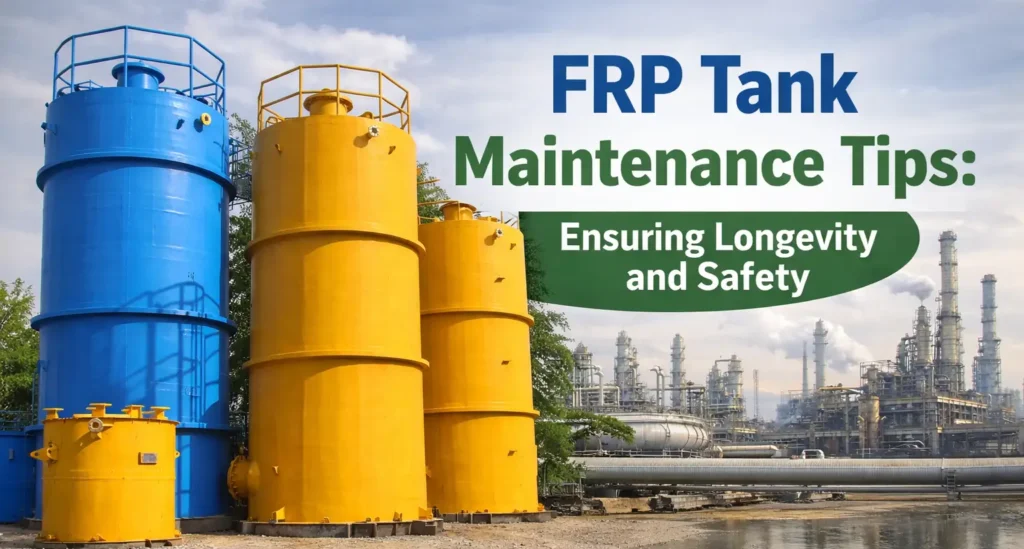
Fiberglass Reinforced Plastic (FRP) tanks are the workhorses of modern industry. They store everything from potable water to highly corrosive acids, offering a superior alternative to traditional metal tanks. However, to ensure they perform reliably for decades, a proactive approach is necessary. Understanding essential FRP Tank Maintenance Tips is not just about preserving equipment; it is about safeguarding your investment and ensuring operational safety. Proper care prevents costly downtime and environmental hazards. Therefore, every facility manager must prioritize a structured maintenance schedule. These practices are straightforward, yet they require consistency and attention to detail.
The Importance of Routine Inspections for FRP Storage Tanks
Regular visual inspections form the bedrock of effective maintenance. You cannot fix what you do not see. Therefore, establishing a routine is critical. This is particularly true for FRP Storage Tanks, which are often exposed to harsh weather and chemical environments. A quick walk-around can reveal potential issues before they escalate. Operators should look for signs of impact damage or surface wear. Catching a small crack early is far easier than repairing a catastrophic failure later.
Identifying Surface Damage and Crazing
The outer layer of an FRP tank, known as the gel coat, is the first line of defense. Over time, exposure to ultraviolet light or minor impacts can cause crazing. This appears as a network of fine cracks on the surface. While initially cosmetic, these cracks can allow moisture to penetrate. If moisture reaches the structural laminate, it can lead to blistering or degradation. Consequently, inspecting for these fine lines should be a monthly habit.
Checking for Chemical Exposure Signs
Look for discoloration or a dull, chalky appearance on the exterior. This phenomenon, called chalking, indicates degradation of the resin at the surface. Although it is often a cosmetic issue, severe chalking suggests the resin is breaking down. This might mean the tank is exposed to fumes it was not designed to handle. For vessels holding aggressive media like hydrochloric acid, this check is vital. You must ensure the chemical resistance of the material is not being compromised.
Structural Integrity: What to Monitor on FRP Storage Tanks
Beyond the surface, the physical shape and stability of the tank are paramount. FRP Storage Tanks are robust, but they are not indestructible. They rely on their cylindrical shape for strength. Any deviation from this shape indicates stress.
Detecting Bulges and Deformations
A tank should maintain its original geometry. If you notice a bulge or a flat spot, it signals a structural problem. This could result from over-pressurization or a vacuum condition during draining. Similarly, check the flat bottom where the tank meets the foundation. Look for signs of the tank settling unevenly. An uneven base creates stress points that can lead to cracking. Therefore, always ensure the foundation remains level and intact.
Examining Nozzles and Fittings
The areas around inlet and outlet nozzles are common failure points. These fittings experience mechanical stress from connected piping. Vibration from pumps or thermal expansion of pipes can transfer loads to the tank wall. Inspect the flange faces for leaks. Also, check the bolt torque on connections. Overtightening can crush the FRP flange, while loose fittings can cause leaks. Using flexible connectors in piping systems is a smart way to reduce this stress.
Maintenance Schedules for Acid Storage Tank Manufacturers Standards
To maximize the lifespan of your equipment, you should adhere to guidelines often recommended by reputable Acid Storage Tank Manufacturers. These standards provide a framework for consistent care.
Daily and Weekly Visual Checks
Implement a simple checklist for operators.
- Daily: Check for visible leaks around the base and fittings. Ensure all access hatches are closed and sealed properly.
- Weekly: Look at the exterior for any new signs of impact or spillage around the top. Observe the liquid level to ensure it matches operational expectations, which can indicate a leak if levels drop unexpectedly.
Monthly and Quarterly In-Depth Inspections
- Monthly: Perform a detailed walk-down. Use a hammer or a coin to gently tap the surface. A dull thud can indicate delamination, where the layers of fiberglass are separating. A sharp ring suggests the laminate is solid.
- Quarterly: Inspethe interior if the tank is emptied for cleaning. Check for signs of erosion or chemical attack on the inner liner. Look for blistering or lifting of the mat reinforcement.
Addressing Specific Chemical Storage Needs
Not all FRP tanks are created equal. The resin type used dictates the chemical compatibility. For instance, tanks storing hydrochloric acid require a specific resin-rich interior liner. When discussing maintenance, you must consider the stored contents.
Best Practices for HCl Storage Tanks
HCl Storage Tanks face unique challenges. Hydrochloric acid is highly corrosive and can permeate certain resins. Therefore, the interior liner must be flawless. During maintenance inspections, pay extra attention to the weld seams and corners inside the tank. These are areas where the liner might be thinner. If the acid penetrates the liner, it will attack the glass fibers rapidly. This leads to a condition called “souring,” where the tank softens and fails. Consequently, for HCl service, annual internal inspections by a qualified technician are non-negotiable.
Temperature and Pressure Considerations
Chemical reactions often generate heat. If your FRP tank is used in a process with elevated temperatures, monitor the nameplate rating. Exceeding the designed temperature limit softens the resin. This reduces the tank’s structural strength. Similarly, ensure vents are not blocked. During a pumping event, a blocked vent can cause a vacuum that collapses the tank. Therefore, inspect vent screens for insect nests or debris buildup regularly.
Partnering with HCL Storage Tanks Customized Suppliers
Maintenance is not just about fixing problems; it is also about knowing your equipment’s pedigree. Working closely with your manufacturer provides a significant advantage. Reputable HCL Storage Tanks Customized Suppliers can offer invaluable support.
Utilizing Manufacturer Expertise for Repairs
When damage occurs, never attempt a field repair without guidance. FRP repairs require specific expertise in layering glass mat and resin. Using the wrong resin can create a weak bond or even cause a chemical reaction with the tank contents. Your supplier can provide a repair kit with the exact materials used in the original construction. They can also recommend certified repair technicians. This ensures the repair restores the tank to its original integrity.
The Value of Custom Design in Maintenance
Customized suppliers design tanks for your specific application. This customization simplifies maintenance. For example, they can add extra reinforcement at high-stress areas. They can also install larger manways for easy internal access. When ordering a new tank, discuss maintenance access. Features like sumps for complete drainage or sloped bottoms for cleaning can save countless hours of labor later.
Preventative Measures to Extend Tank Life
An ounce of prevention is worth a pound of cure. Simple preventative steps can dramatically extend the service life of your FRP vessel.
UV Protection and Coating
If your tank is located outdoors, the sun is a constant enemy. Ultraviolet light degrades the resin over time. Most FRP tanks have UV inhibitors in the gel coat. However, these inhibitors wear out. Therefore, applying a fresh coat of UV-resistant paint or wax every few years is a wise investment. This protects the structural laminate from becoming brittle.
Managing Static Electricity
FRP is not naturally conductive. For flammable services, static buildup is a serious risk. Many tanks are built with conductive materials or static dissipating veils. During maintenance, it is crucial to verify the continuity of grounding lugs and straps. Corrosion can break the ground path. Testing the electrical continuity to earth ensures that static charges dissipate safely, preventing sparks.
Common Pitfalls in FRP Tank Maintenance
Avoiding mistakes is just as important as performing the right tasks. Many tanks fail prematurely due to well-intentioned but incorrect maintenance actions.
Avoid Using Metal Tools
Never use metal shovels or scrapers to clean the inside of an FRP tank. Metal tools will gouge the inner liner. These gouges create stress points and expose the glass fibers to the chemical contents. Always use plastic, wood, or soft-bristle brushes for cleaning.
Steam Cleaning Hazards
Steam cleaning is a common practice for many tanks, but it can be deadly for FRP. The high temperatures of steam can exceed the heat distortion temperature of the resin. This causes the tank to warp or soften. If you must sanitize the tank, use cold or lukewarm water with appropriate cleaning agents recommended by the manufacturer.
Record Keeping and Documentation
Finally, effective maintenance relies on good data. Keep a logbook for every tank on site.
Creating a Maintenance Log
Document every inspection, no matter how minor. Note the date, who performed the inspection, and what was found. If repairs are made, record the materials used and the procedure followed. This log provides a history. It helps track the degradation rate of the tank. If you notice the same type of crack appearing repeatedly, it indicates a systemic design or operational problem that needs addressing.
Planning for Predictive Maintenance
Use your historical data to predict future needs. If you know the gel coat typically needs recoating every five years, you can budget for it. This predictive approach aligns with recommendations from top FRP Storage Tank Manufacturers. It moves you from a reactive maintenance mode (fixing things when they break) to a proactive mode (preventing failures before they happen).
Conclusion
In conclusion, maintaining FRP tanks is a discipline that combines vigilance, knowledge, and partnership. By following these comprehensive FRP Tank Maintenance Tips, you ensure that your equipment remains safe, efficient, and reliable. Remember that the integrity of your FRP Storage Tanks directly impacts your bottom line and environmental safety. Whether you are managing standard units or specialized HCl Storage Tanks, the principles of regular inspection, proper cleaning, and professional repair remain constant. Work closely with your Chemical Storage Tank Manufacturers and HCL Storage Tanks Customized Suppliers to tailor a program that fits your specific needs. This proactive stance is the key to maximizing your return on investment and achieving decades of trouble-free service.