
FRP Chemical Storage Tanks Cleaning Procedure
At UK Enviro Systems, we provide top-quality FRP Chemical Storage Tanks to industries worldwide. These tanks offer exceptional corrosion resistance. Their durability, however, depends heavily on proper maintenance. Cleaning is a critical routine task. Yet, common errors during this process can compromise tank integrity. These mistakes lead to premature failure and safety risks. Avoiding them is essential for long-term performance. This guide details the frequent pitfalls to sidestep. Our goal is to ensure your storage assets remain safe and operational for years.
Understanding the Unique Nature of FRP Construction
FRP Chemical Tanks Manufacturers design products using layered composites. These layers consist of resin and glass fibers. This construction provides strength against corrosive chemicals. Importantly, the inner surface features a resin-rich liner. This liner is the primary barrier against contents. Consequently, abrasive or incorrect cleaning can damage this delicate surface. Therefore, understanding this structure is the first step. It informs every aspect of proper cleaning protocol.
Mistake 1: Using Incorrect or Abrasive Cleaning Agents
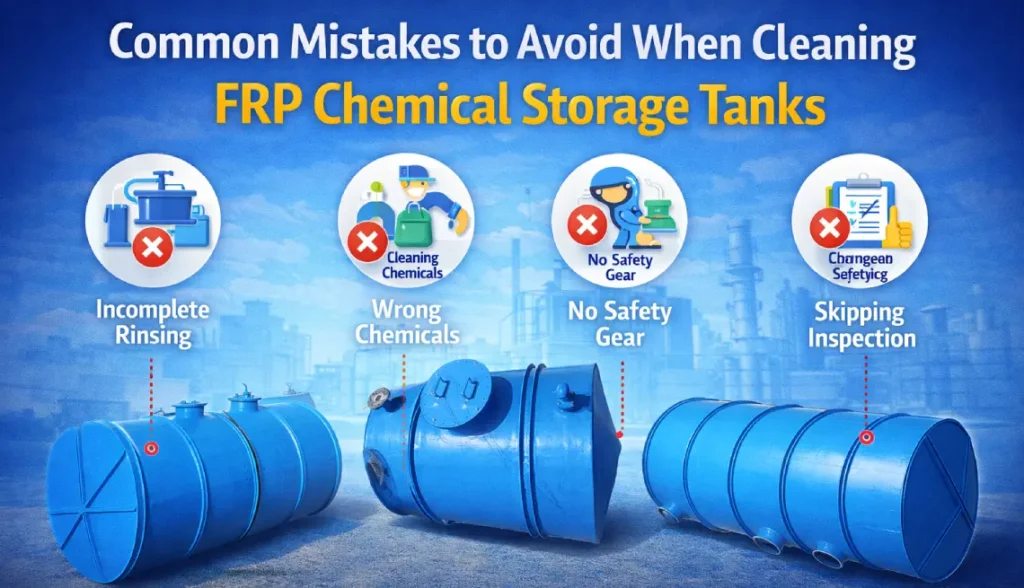
One major error involves selecting the wrong cleaners. Harsh chemical solvents or abrasive powders are often misused. For instance, strong acids or alkalis can degrade the resin liner. Similarly, scouring pads or steel wool scratch the surface. These scratches then become sites for future corrosion. Always consult your manufacturer’s guidelines first. Typically, mild detergents and soft brushes are recommended. They effectively remove residues without causing harm.
Mistake 2: Neglecting Pre-Cleaning Inspection and Preparation
Another common oversight is skipping a thorough inspection. You must assess the tank’s interior before cleaning. Look for any cracks, blisters, or unusual discoloration. Check for structural weaknesses or previous repairs. Furthermore, complete preparation is non-negotiable. This means fully evacuating all contents and vapors. Always follow strict lockout-tagout procedures. Ensure proper ventilation and use correct personal protective equipment. Preparation prevents accidents and identifies issues early.
Mistake 3: Ignoring the Manufacturer's Specific Manual
Every tank model has unique design specifications. Reputable FRP Chemical Tanks Manufacturers provide detailed care instructions. Disregarding this manual is a serious mistake. The manual specifies compatible cleaning agents. It also outlines pressure limits and mechanical methods. Following generic advice can void warranties. It may also lead to inappropriate cleaning techniques. Always treat the manufacturer’s manual as your primary resource. It is tailored to your specific FRP Storage Tanks.
Critical Procedural Errors During the Cleaning Process
Mistake 4: Applying Excessive Water Pressure or Heat
High-pressure washers are useful for many tasks. However, they pose a significant risk to FRP tanks. Pressure exceeding 40-50 PSI can delaminate the glass fibers. It can also puncture the gel coat liner. Similarly, using very hot water is dangerous. Extreme heat can soften the resin and weaken bonds. Always use low-pressure spray and lukewarm water. Gentle washing preserves the tank’s structural layers. This practice is especially crucial for Acid Storage Tanks which may hold sensitive residues.
Mistake 5: Inadequate Rinsing and Residue Removal
After cleaning, incomplete rinsing is a frequent error. Soap or chemical cleaner residues must be fully eliminated. These leftovers can react with the next batch of stored chemicals. Such reactions may generate heat or hazardous gases. They can also contaminate your product. Therefore, rinse the interior multiple times with clean water. Then, inspect for any remaining film or particles. Finally, allow the tank to dry completely before reuse. This step prevents microbial growth and contamination.
Mistake 6: Improper Handling of Residual Sludge or Waste
Tanks often accumulate sludge or solid waste at the bottom. Manually entering the tank to remove this waste is highly dangerous. Confined spaces pose toxic and oxygen-deficient hazards. Instead, use appropriate pump-out systems or robotic cleaners. Moreover, dispose of all waste according to environmental regulations. Never assume cleaning waste is benign. Proper handling protects personnel and the environment.
Post-Cleaning Oversights and Long-Term Neglect
Mistake 7: Failing to Conduct a Post-Cleaning Inspection
Cleaning is not complete without a final inspection. You must examine the tank after it dries. Look for any new damage caused during cleaning. Pay close attention to the liner’s condition. Check for signs of etching, cloudiness, or fiber exposure. Document any findings for your maintenance records. This inspection confirms the cleaning was safe. It also flags problems needing professional repair.
Mistake 8: Skipping Regular Maintenance Scheduling
Cleaning should never be a purely reactive activity. Waiting for visible problems is a costly strategy. Instead, establish a proactive preventive maintenance schedule. Base this schedule on the chemicals stored and usage frequency. Regular cleaning prevents residue buildup and hidden corrosion. Consequently, it extends the service life of your FRP Chemical Storage Tanks. It also ensures consistent product quality and operational safety.
Mistake 9: Attempting Unqualified Repairs After Damage
Sometimes, cleaning reveals damage like cracks or holes. A critical mistake is attempting a quick, unqualified fix. Using incompatible resins or poor patching techniques creates weak points. Always contact experienced FRP Chemical Tanks Manufacturers or certified repair specialists. They have the correct materials and expertise. Professional repairs restore integrity and maintain compliance with standards. DIY repairs often lead to larger, more expensive failures later.
Ensuring Safety and Longevity for Your Investment
Proper cleaning is fundamental to tank stewardship. It protects your significant capital investment. More importantly, it safeguards your personnel, facility, and environment. Avoid these common mistakes by implementing strict procedures. Always prioritize manufacturer guidelines and employee training. Furthermore, partner with your supplier for support. Leading FRP Chemical Tanks Manufacturers like UK Enviro Systems offer expert advice. We help you maintain your FRP Storage Tanks and Acid Storage Tanks at peak performance.
In conclusion, meticulous cleaning is non-negotiable. It requires the right tools, techniques, and timing. Avoiding these errors ensures your FRP Chemical Storage Tanks deliver their full promised lifespan. You will achieve reliable containment and optimal return on investment. Remember, correct maintenance is the true key to corrosion-resistant performance. Start by reviewing your current cleaning protocols today. Then, make the necessary adjustments for safe and effective operations tomorrow.